Years of anticipation, release delays, and fans’ high hopes—all of this preceded the release of S.T.A.L.K.E.R. 2: Heart of Chornobyl. The return to the Exclusion Zone promised to be a major event in the gaming industry. In this review, we’ll take a detailed look at every aspect of the game—from next-gen graphics to level design and unique survival mechanics—to see if GSC Game World has managed to replicate the success of the original.
Atmosphere and Plot: A Zone That Lives a Life of Its Own
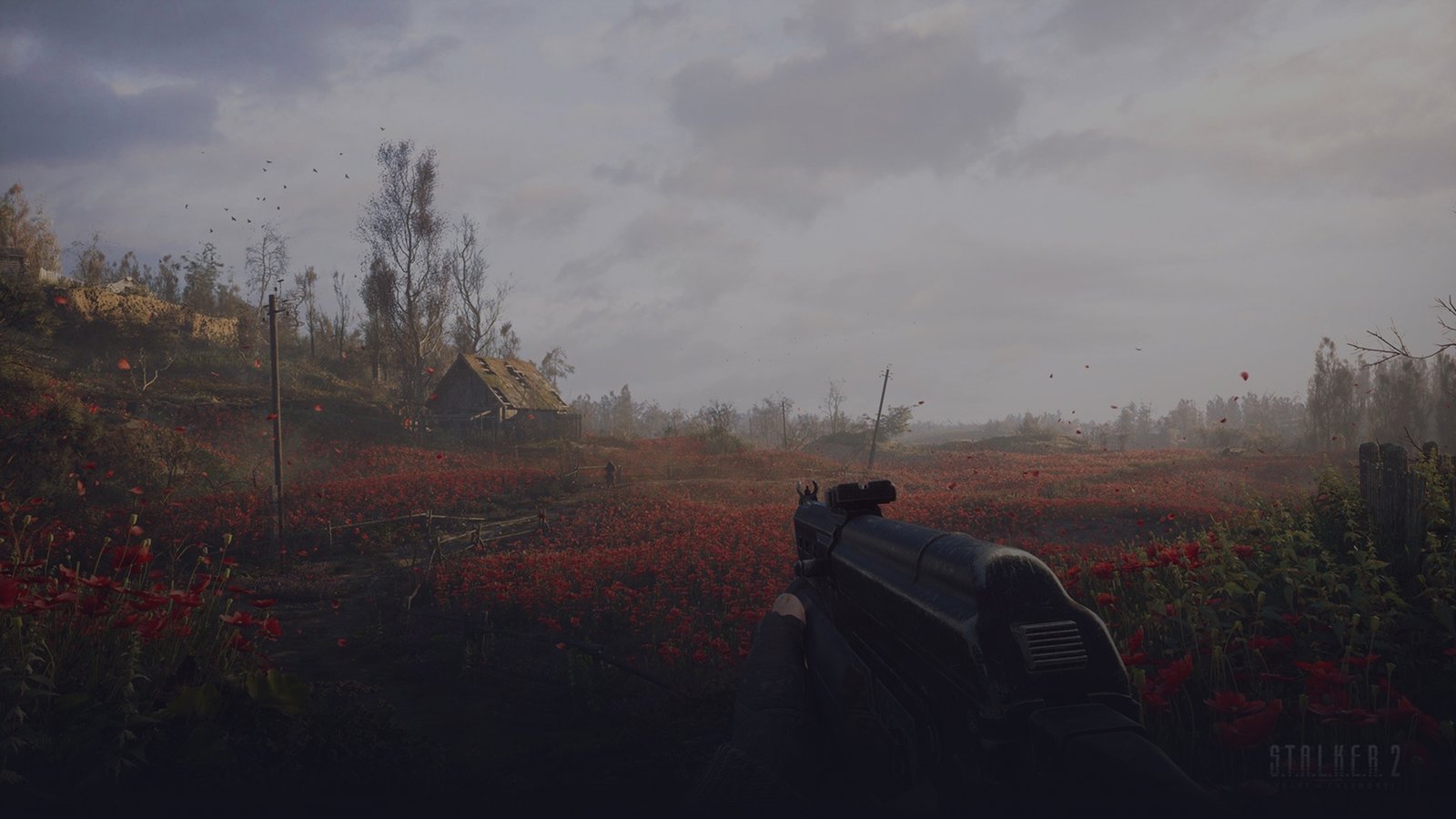
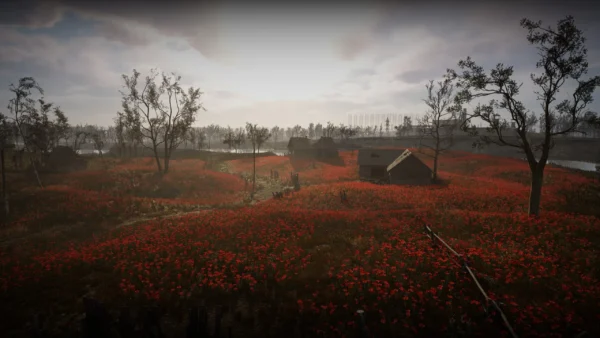
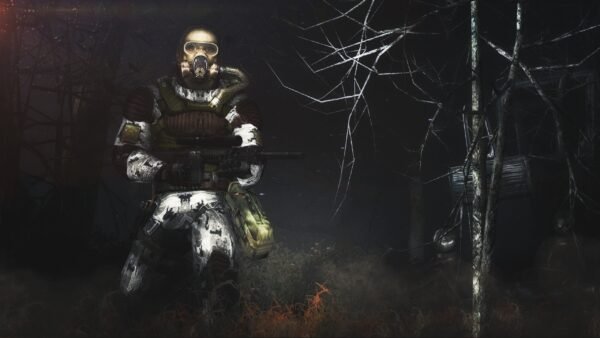
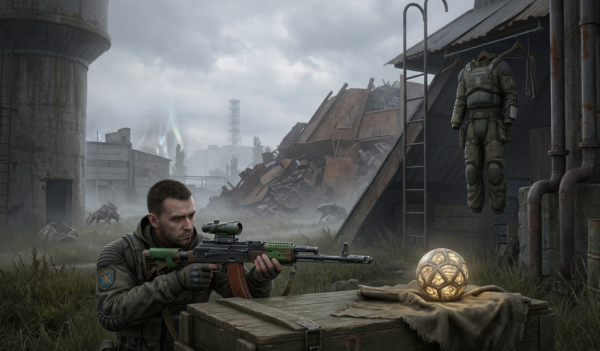
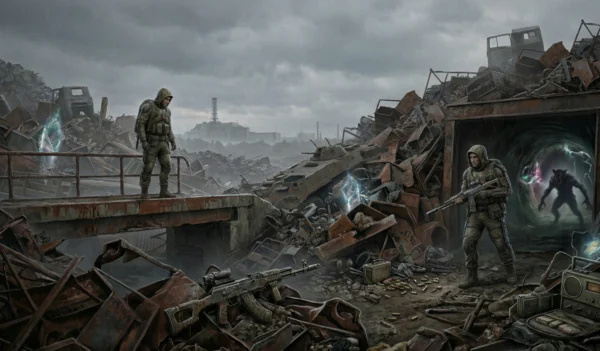
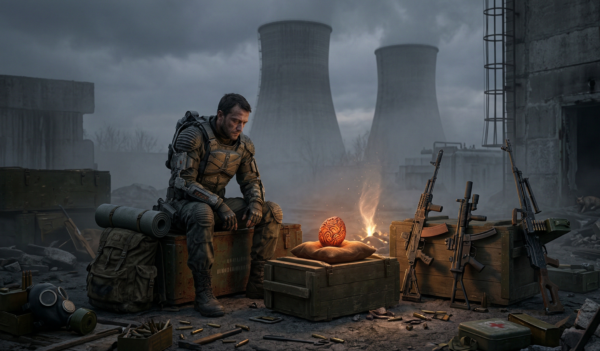
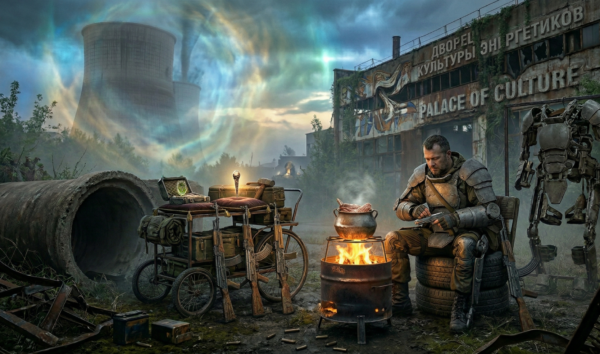
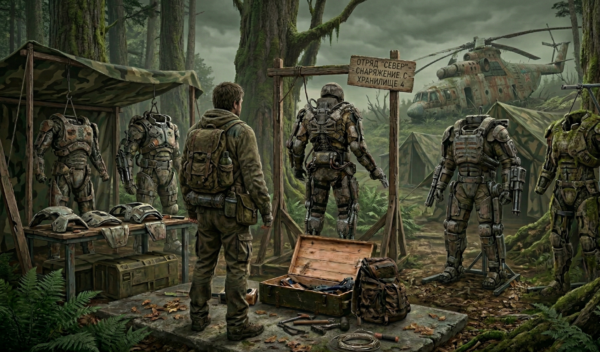
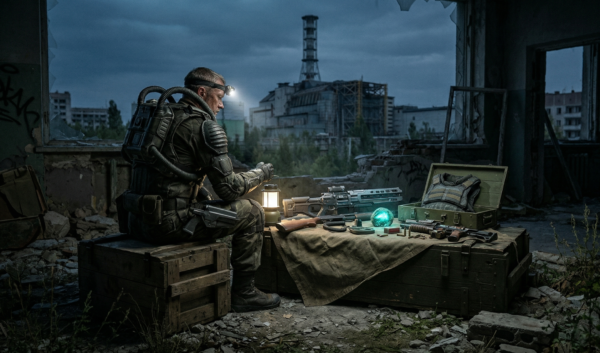
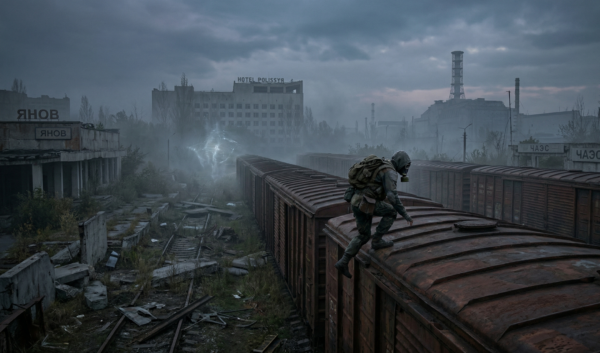
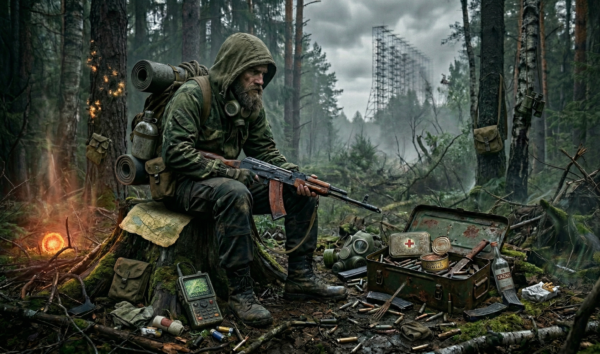
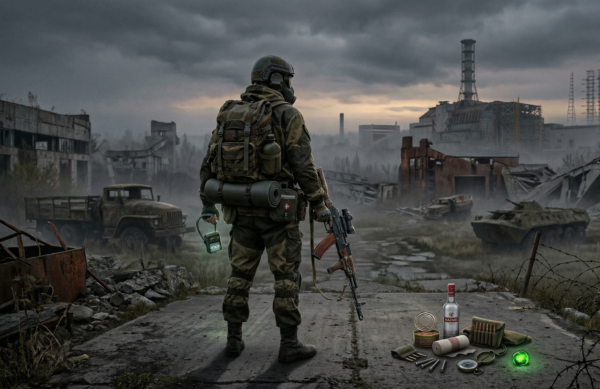
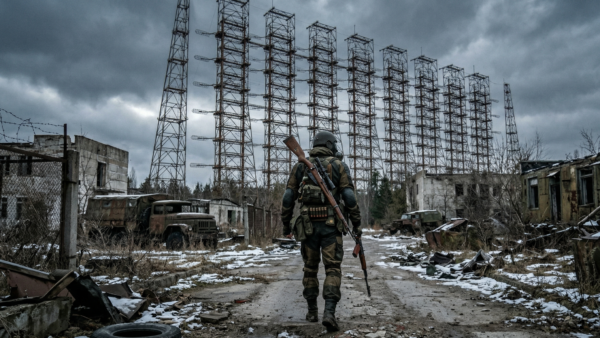
The main strength of any “Stalker” game is its unique atmosphere of total isolation, danger, and Soviet post-apocalyptic aesthetics. In the second installment, this aspect is taken to a whole new level.
The storyline of S.T.A.L.K.E.R. 2 is non-linear. Playing as a mercenary on the Scythian quest, the player decides for themselves which factions to cooperate with and whom to make their enemies. Every decision you make carries weight and directly influences the game’s ending. The Zone is no longer just a backdrop—it is a full-fledged, brutal participant in the events.
Graphics and Technical Implementation on Unreal Engine 5
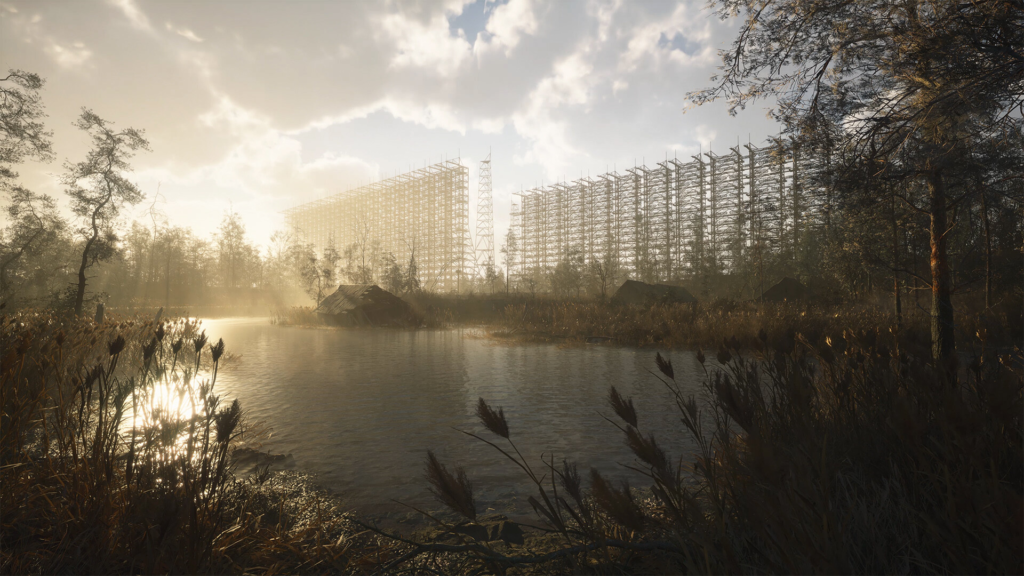
The switch to the Unreal Engine 5 has given the game an incredible level of visual quality.
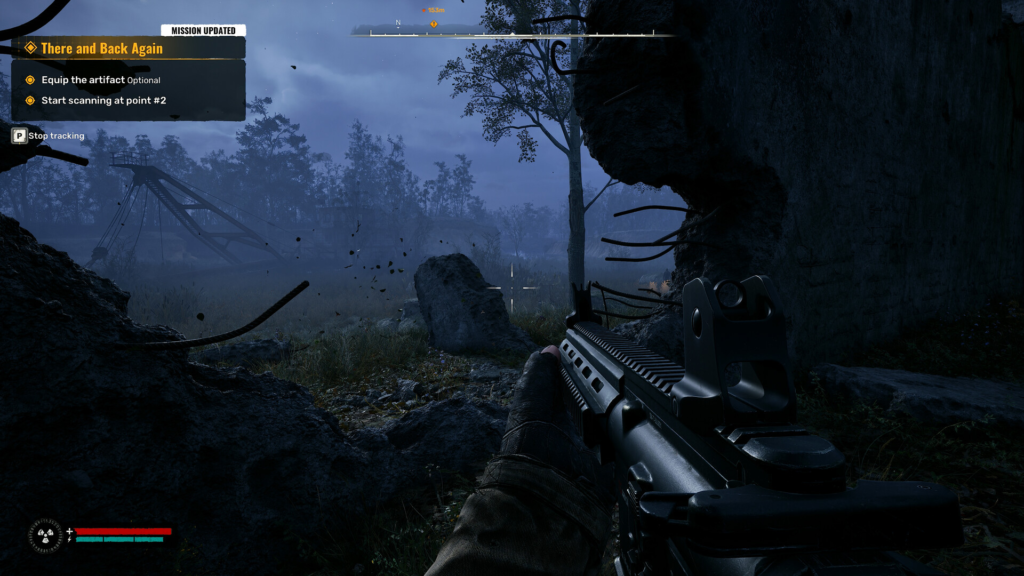
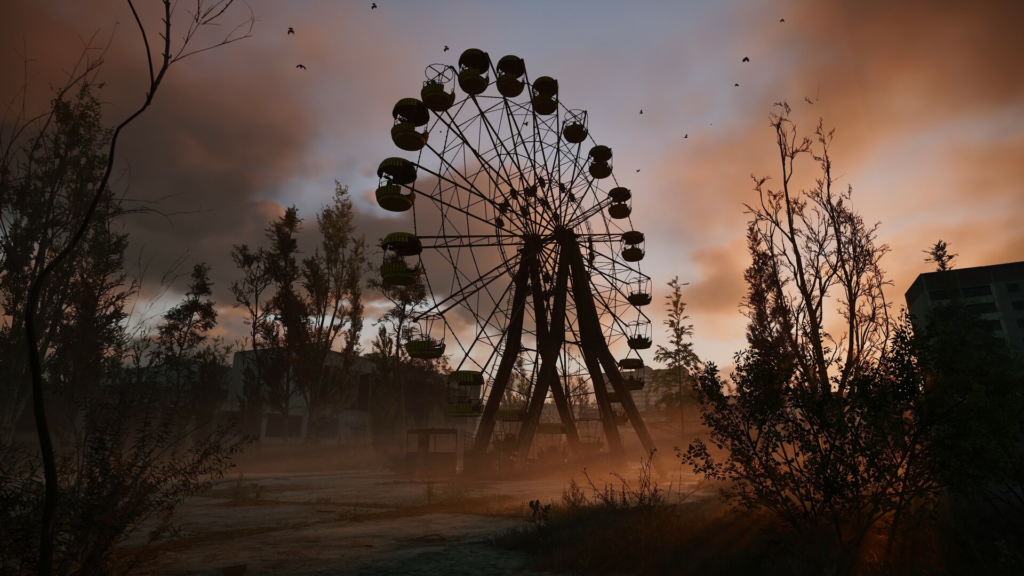
Lighting: Thanks to Lumen technology, ambient lighting makes gloomy dungeons truly terrifying, and sunrises after an eruption mesmerizing.
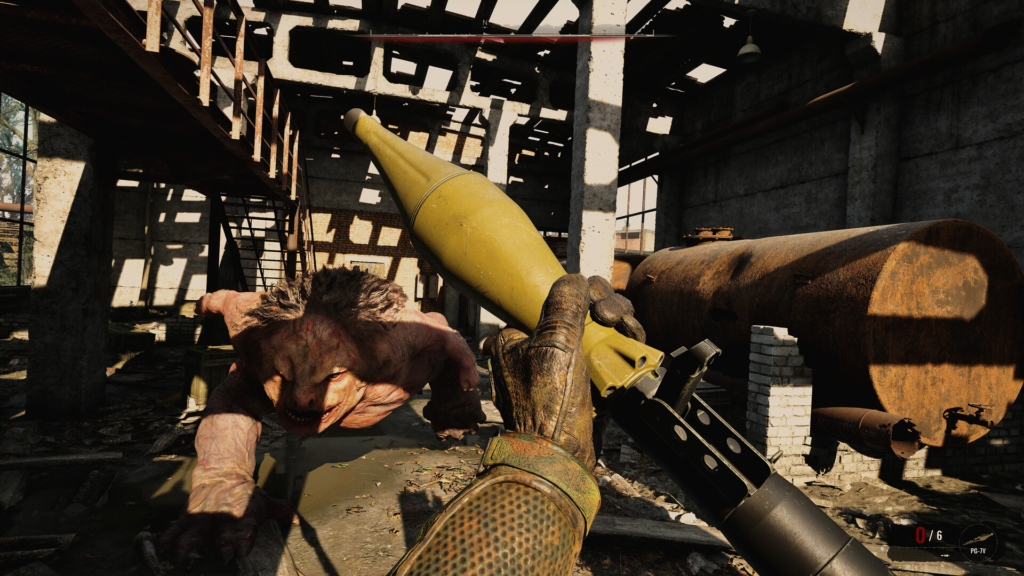
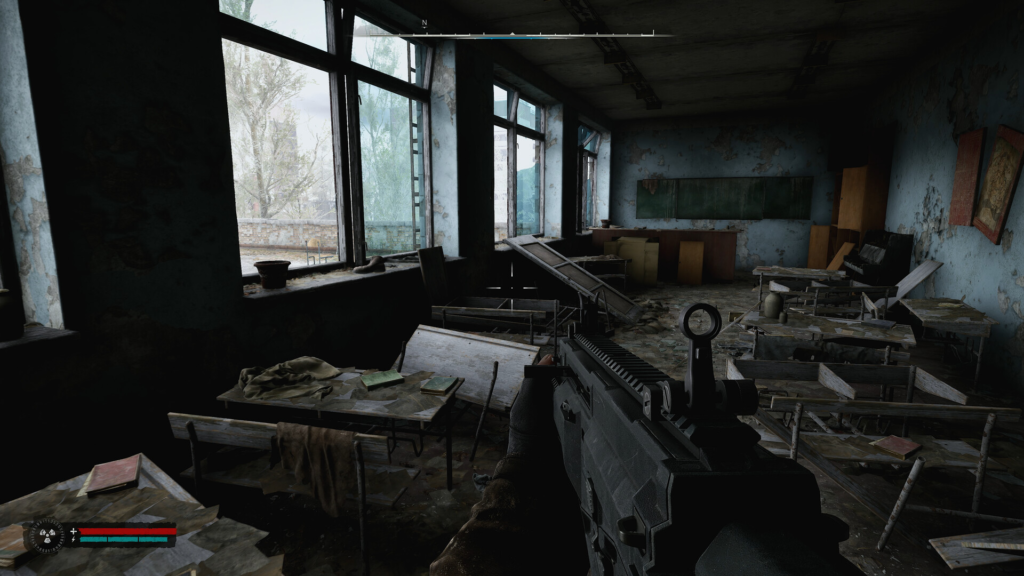
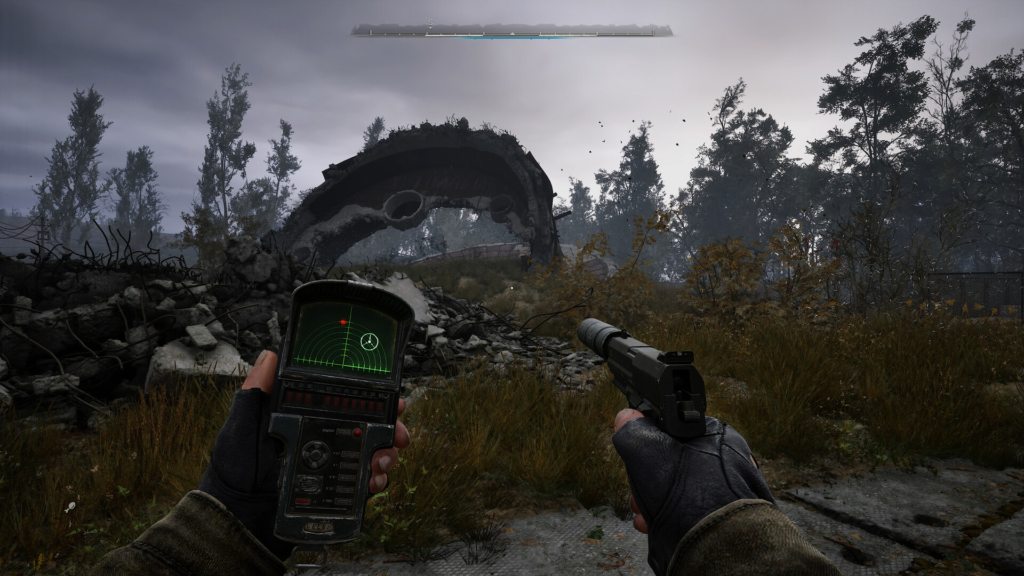
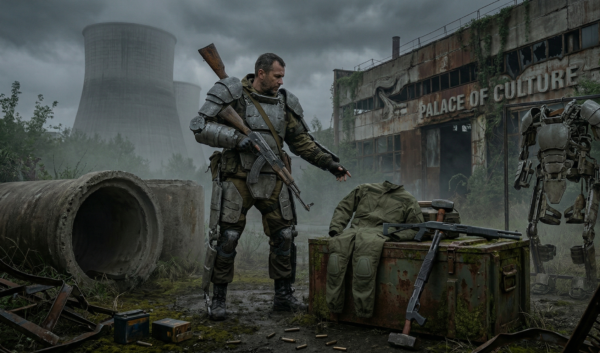
Detail: Nanite technology allowed developers to create high-poly objects without sacrificing performance. Rusty machinery, peeling paint on Pripyat’s panels, and dense vegetation look photorealistic.
Important note: High-quality graphics require powerful hardware. The system requirements for S.T.A.L.K.E.R. 2 are quite demanding, and a modern graphics card is required to play on ultra settings.
Level Design: A Seamless World Spanning 64 Square Kilometers
While the original trilogy divided the world into locations separated by loading screens, Stalker 2 offers a completely seamless open world.
The level design deserves a round of applause. The developers masterfully play with verticality and multi-level design:
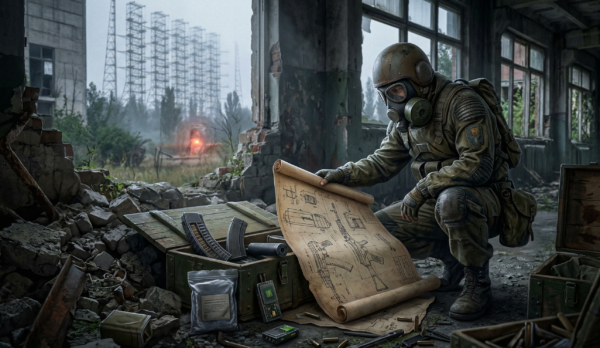
Secret Routes: Exploring abandoned factories and research institutes is always rewarded with stashes of rare loot.
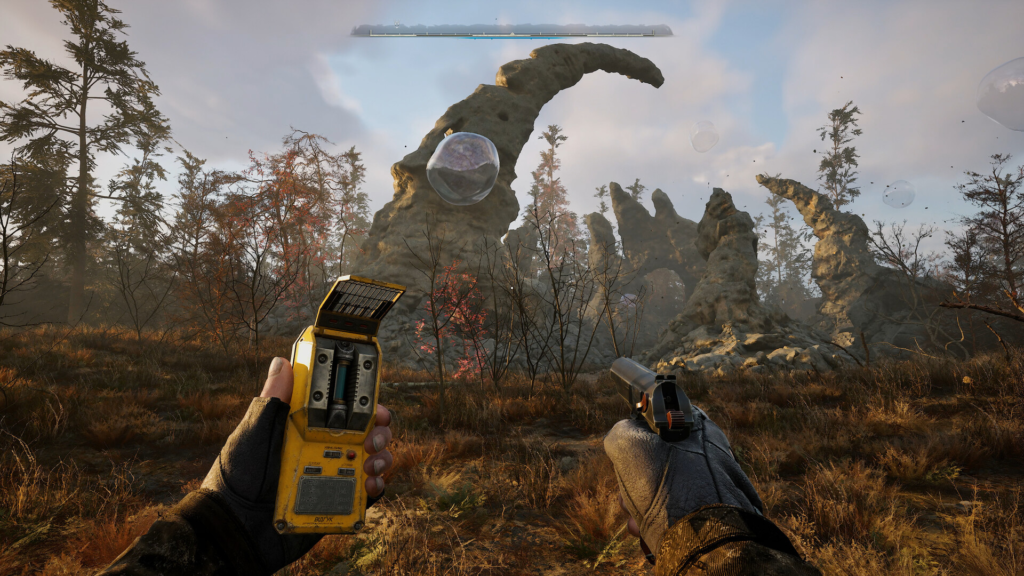
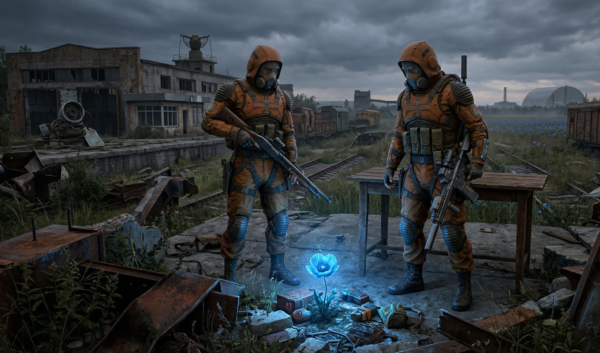
Anomalous Fields: They are integrated into the landscape in such a way that they force the player to constantly change their route and think one step ahead.
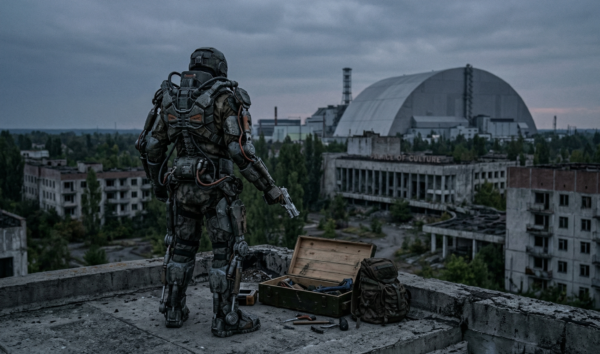
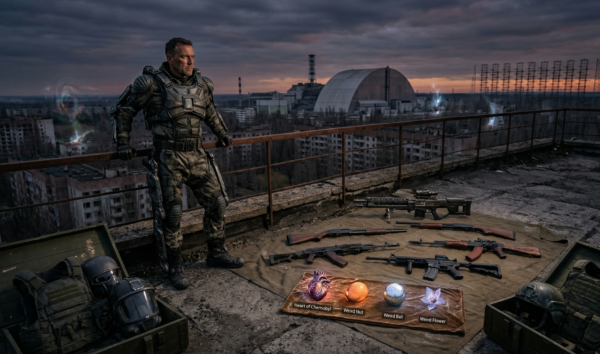
Architectural authenticity: The Chernobyl zone has been recreated with obsessive attention to real-world prototypes.
Gameplay, Weapons, and the A-Life 2.0 System
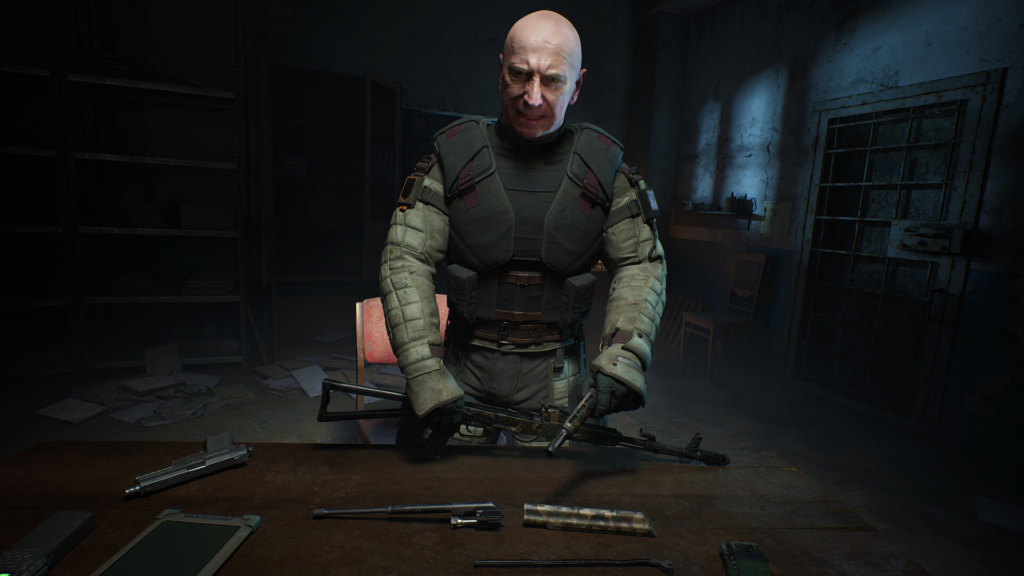
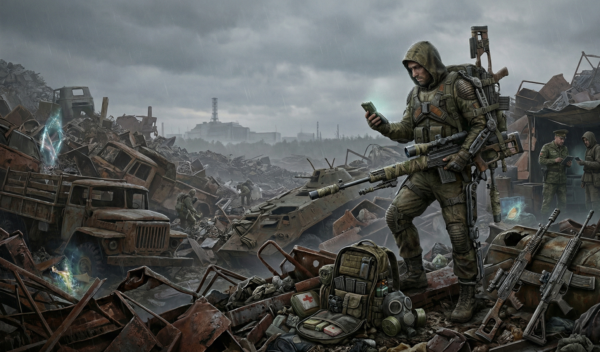
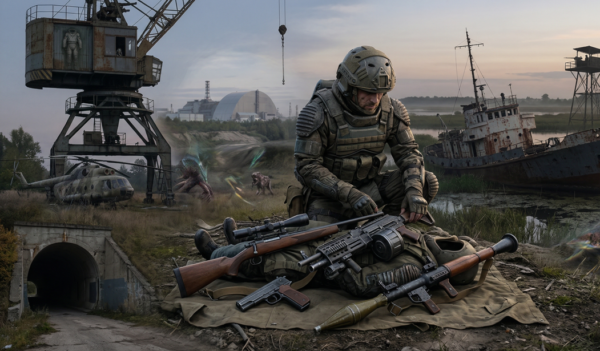
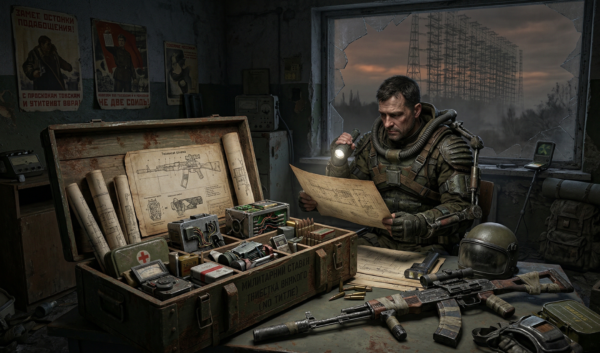
The gameplay has become more challenging and tactical. Weapons feel substantial in your hands, have recoil, get clogged with dirt, and require regular maintenance. Searching for artifacts has become more difficult—it’s now a real puzzle that involves using various detectors.
But the main innovation is the updated A-Life 2.0 simulation system. Mutants, stalkers, and bandits interact with each other even on the other side of the map, when you can’t see them. You might arrive at a camp and find that it’s just been wiped out by a pack of snorks. This makes every playthrough completely unique.
Pros and Cons of S.T.A.L.K.E.R. 2
Like any large-scale project, the game isn’t without its flaws. Let’s take an objective look at the results.
Pros:
Amazing atmosphere: The sound design and visuals make you believe that what’s happening is real.
A-Life 2.0 System: A generator of unique gameplay situations that keeps things exciting.
Deep Storyline: A branching narrative with high replayability.
Smooth gameplay: Weapons feel heavy and realistic.
Seamless World: A vast area to explore without loading screens.
Cons:
Technical issues: At launch, the game (in the best traditions of the series) suffered from bugs and FPS drops, although patches are actively addressing these issues.
High learning curve: The game doesn’t forgive mistakes, which may deter newcomers accustomed to casual shooters.
High system requirements: A high-end PC or current-generation console is required for a smooth gaming experience.
Verdict: Is it worth playing?
S.T.A.L.K.E.R. 2: Heart of Chornobyl isn’t just a game—it’s a major event. GSC Game World has managed to preserve that very “Stalker spirit,” wrapping it in a modern, high-tech shell. Despite the usual technical rough edges, this is a deep, complex, and insanely engaging shooter. If you love post-apocalyptic settings, hardcore survival, and a thick atmosphere—this game is a must-play.
Published
Modified
ZEPHICK
Rimus Mirotvoretz
Game Guides Author
An old-school gamer who started playing at around age three, when the keyboard was almost bigger than he was. Long before gaming became mainstream, he was already exploring virtual worlds, breaking game mechanics, and searching for the fastest ways to beat levels.
























Comments (0)
Sign In / Sign Up
Sign in to leave a comment.
No comments yet
Be the first one to share your thoughts!